Short answer
An ayahuasca retreat is a multi-day residential or extended stay program in a designated area that may include one or more ceremonies, preparatory meetings, rest, and follow-up discussion of the experience. There is no single standard: the composition of the team, conditions, duration and additional practices differ, and the name itself does not confirm the quality of the program or the expected result for the participant.
The word "retreat" literally indicates a temporary exit from the usual rhythm. In the modern retreat industry, the term covers very different formats: from a few days in a small center to a long stay in a remote area. Adding ayahuasca to the name doesn't explain how much time is dedicated to screening, recovery, or support.
Therefore, it is useful to perceive the retreat as a complete program, and not as a separate ceremony with a hotel. Its content is made up of people, space, schedule, way of responding to difficult situations and contact after departure. Look for these details in the program description.
What is included in the concept of retreat
An ayahuasca retreat usually combines accommodation with an organized group program. Participants arrive at a specified time, have an introductory conversation, live on the territory of the center and adhere to a common schedule. The main meetings can take place in the evening or at night, and daytime is reserved for sleep, quiet activities and conversations.
A short description often lists the ceremony, meals, and transportation. But for understanding the format, the team's hours of availability, conditions of overnight supervision, privacy of rooms, communication with external help and the procedure for early departure are no less important. These are not minor details: they determine what a person will actually receive at a vulnerable moment.
Some programs call themselves traditional, others use the language of psychology or wellness. The name does not guarantee that all elements come from the same tradition or have the same evidential basis. An honest description separates cultural practices, contemporary group activities, and medical functions without conflating them into a single promise.
How is a retreat different from a ceremony?
A ceremony is a separate organized meeting with its own beginning and end. A retreat creates a broader temporal and social context around one or more such encounters. It includes arrival, meeting the team, accommodation, breaks between events and the transition back to everyday life.
This difference is of practical importance. After an intense night, it can be difficult for a person to immediately organize travel, food or finding help. Staying on site allows time for recovery, but only if the team is truly available and the schedule is not overloaded with new activities.
At the same time, the multi-day format does not eliminate risks and does not make the result predictable. More ceremonies do not mean more benefit. Accumulation of fatigue, lack of sleep or group pressure can make it difficult to assess one's own condition. A person should have a real opportunity to skip the event without being shamed or pressured.
The materials "What is an ayahuasca ceremony" and "How an ayahuasca ceremony takes place" explain more about a separate meeting. Understanding this distinction helps to see if the program really has a supportive environment or is just selling a few evening events together.
Typical parts of the program
There is no universal list, but certain blocks are often repeated in descriptions of retreats. Their presence does not say anything about the quality of delivery, but provides a basis for specific questions:
- preliminary questionnaire and individual conversation;
- familiarization with the territory, team and limits of interaction;
- one or more organized ceremonies;
- time for sleep, quiet rest and meals;
- group or individual conversation after the experience;
- contact with the team after returning home.
Yoga, meditation, breathing, physical or creative activities can also be added to the program. They can help structure the day, but should not be presented as a treatment that works for everyone. For each practice, it is worth knowing who conducts it, whether it is possible to refuse and how it adapts to a tired or emotionally overwhelmed person.
A tight schedule sometimes looks more valuable in promotional material. In fact, unscheduled time may be necessary for sleep and recovery. If every hour is occupied by a group activity, the participant gets less privacy and has a harder time noticing their own boundaries.
Accommodation, territory and everyday conditions
Living conditions affect not only comfort. Toilet distance, path lighting, ventilation, access to clean water, protection from insects and the ability to lock personal belongings are directly relevant to recovery. In a remote area, you need to find out separately the transport and time to the nearest place where qualified help is available.
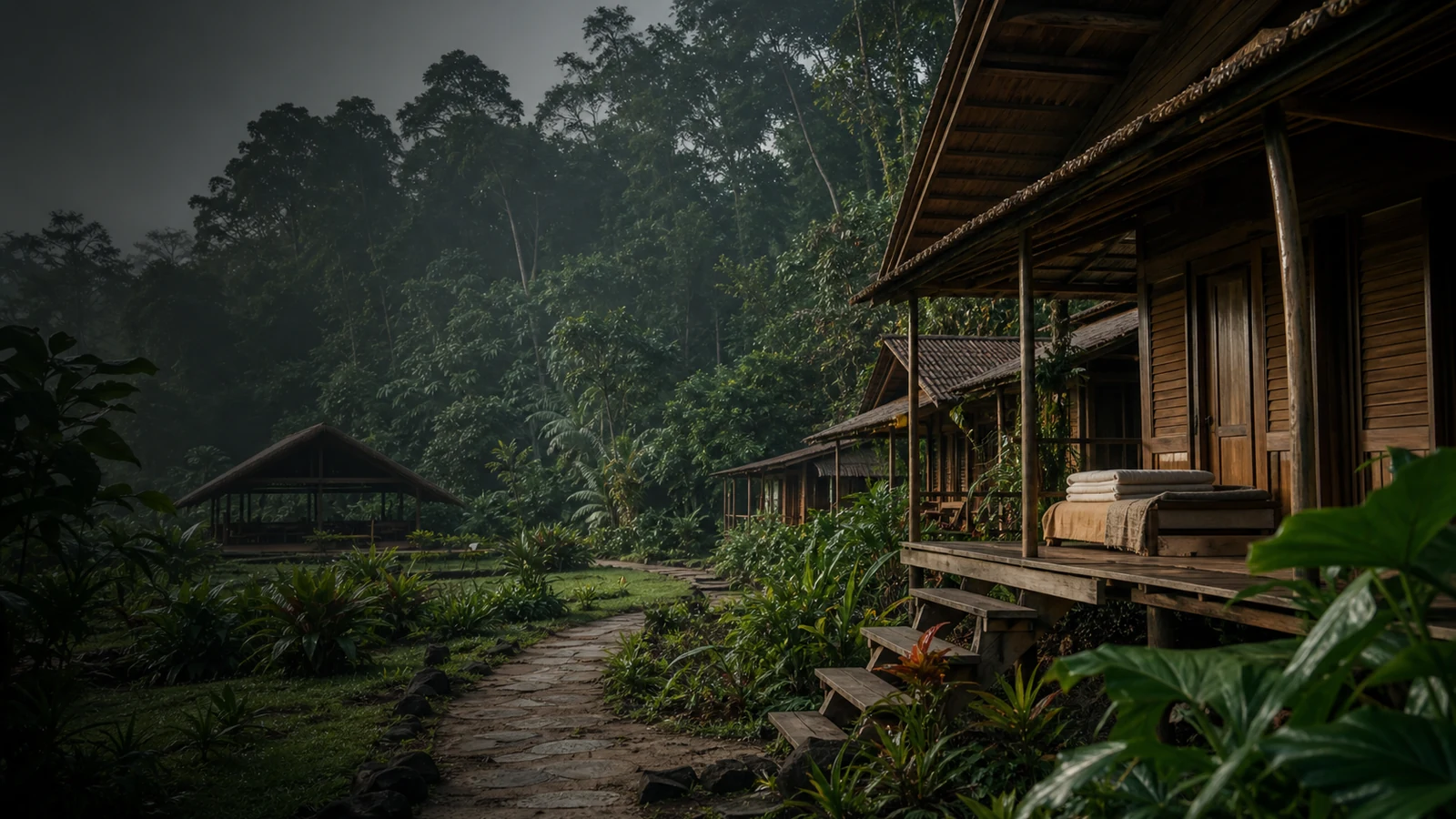
Photos may show the best house, while part of the group lives in other conditions. Ask to describe exactly your category of accommodation: how many people are in the room, is there 24-hour electricity, where is the person on duty and what happens in bad weather. A detailed answer is more important than the aesthetics of the page.
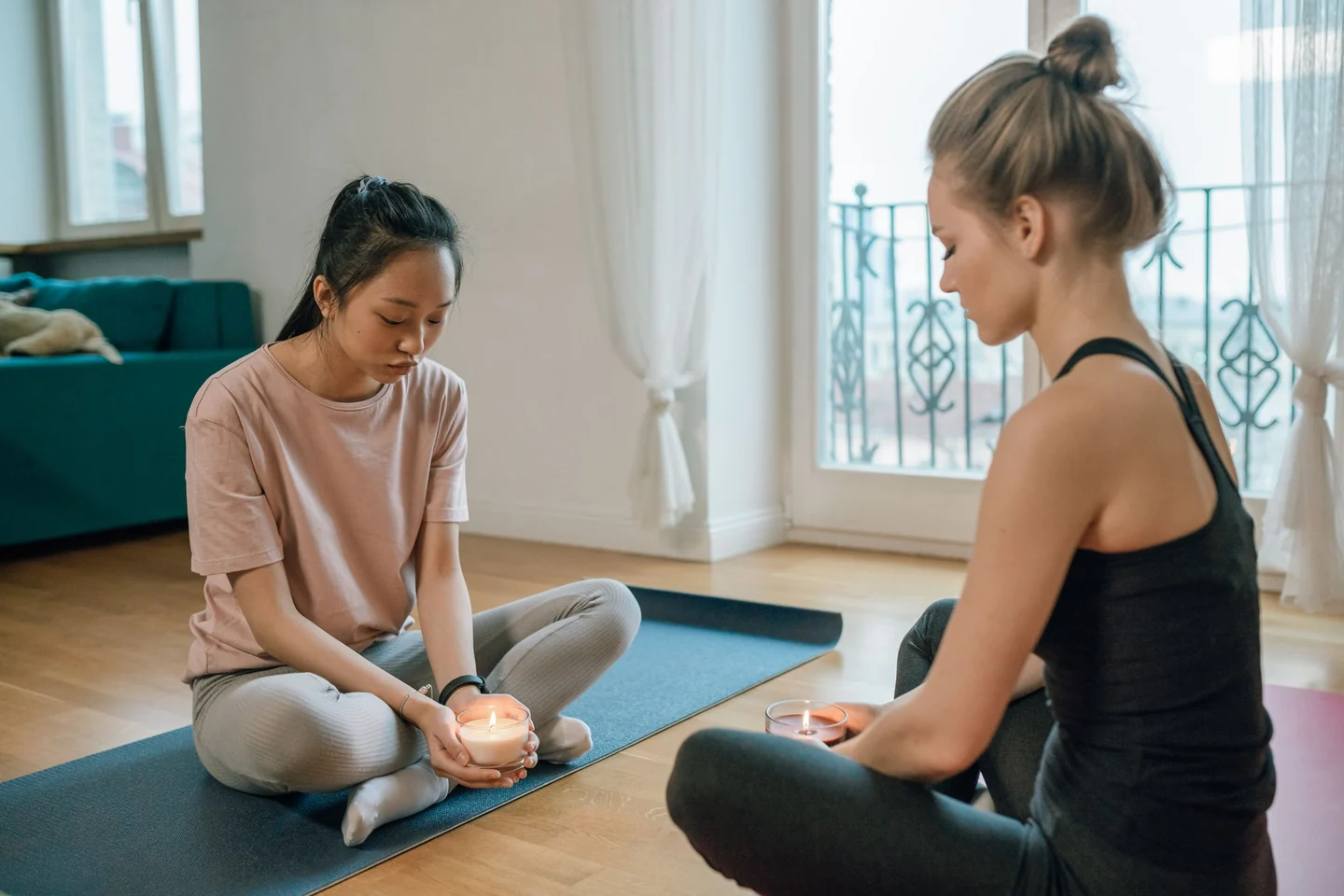
Living together creates closeness, but does not eliminate the need for privacy. The organizer must explain the photo rules, the confidentiality of group conversations and the procedure for filing a complaint. The participant's personal history should not become advertising material without separate, up-to-date consent.
Who works at the retreat
The program may include masters of ceremonies, facilitators, translators, cooks, drivers and people responsible for accommodation. Titles vary, so it's important to understand the responsibilities. Who conducts the screening? Who is on duty at night? Who assesses someone whose physical condition is worsening? Who has the right to decide on external aid?
Sharing of responsibilities must be known prior to arrival. One charismatic person cannot lead a group, observe each participant, and manage an emergency response at the same time. For a large group, a team whose number and training corresponds to the real workload is needed.
The words "trauma-informed" or "medical support" need to be deciphered. Ask about the specialist's education, specific role and availability during the program. A consultant who has reviewed a questionnaire remotely and a person who is on site are different levels of support.
Group, privacy and mutual influence
A retreat involves more than the relationship between a participant and the facilitator. The group creates its own dynamics: people hear each other's stories, compare reactions and can adopt the language used by the organizer to explain experiences. Peer support sometimes feels valuable, but it can also reinforce expectations and reluctance to question.
The organizer should explain how group conversations are moderated. Participants should not be encouraged to diagnose each other, give categorical advice, or insist on a single interpretation. Trauma stories, family conflicts, and treatment decisions need to be handled with particular care: emotional certainty after an intense experience does not make a conclusion credible.
It is also worth learning about the composition of the group. A large difference in language, age and experience need not be a problem if there are enough translators and assistants. Instead, a format where one person interprets, facilitates and provides overnight supervision creates gaps. A participant should have a private way to raise concerns, not just the ability to speak in front of everyone.
After the group program ends, communication between participants can continue. It is useful to agree in advance whether you can add people to a shared chat, transfer contacts or publish group photos. The friendly atmosphere does not override personal boundaries and the right to keep the experience private.
Language availability also matters. Interpreting only the introductory lecture will not help in a difficult moment in the middle of the night. If the participant does not speak the team's working language, the organizer should explain who will be able to translate the private conversation, how confidentiality will be maintained, and whether that person will be available throughout the program, not just during scheduled hours.
What expectations should be avoided
A retreat does not guarantee answers to every question in your life. The trip itself can raise expectations: a person has spent time and money, traveled a long way, and found themselves in a group with similar intentions. This creates pressure to find a meaningful result even in an ambiguous experience.
Not every strong experience needs an immediate symbolic explanation. And not every improvement after returning can be attributed to one factor. Rest from work, nature, group attention and change of daily rhythm also affect well-being. Causality remains uncertain, especially in naturalistic studies without a control group.
A realistic description recognizes a wide range of reactions and does not sell a precise result. If the program is relevant, its terms should be compared with the Ayavaska Life retreat page and the separate material on known risks without relying on the general impression.
What research shows about retreat formats
Naturalistic studies report changes in mood, well-being, and other self-reported measures after participating in ceremonial retreats. They describe real conditions better than a laboratory experiment, but have significant limitations: self-selection, lack of random allocation, expectation and simultaneous influence of many components of the program.
A small placebo-controlled study showed changes in some indicators in both the ayahuasca group and the placebo group. This emphasizes the role of context, but because the sample was small and participants had previous experience does not provide a universal assessment. Data on adverse outcomes are also largely based on self-reports and do not allow precise comparisons between individual centers.
So, science has not determined the "best" length, number of ceremonies, or set of additional practices. The transparency of the program, the quality of the screening, the limits of the team's competence and the possibility of receiving help are important for the decision.