clarity
See your request without haste, noise and usual explanations.
plant, tradition, experience
ayahuasca is a traditional herbal drink of Amazonian origin. Discover a tradition that has been used for centuries for deep inner work, self-discovery, and personal transformation.
what is ayahuasca
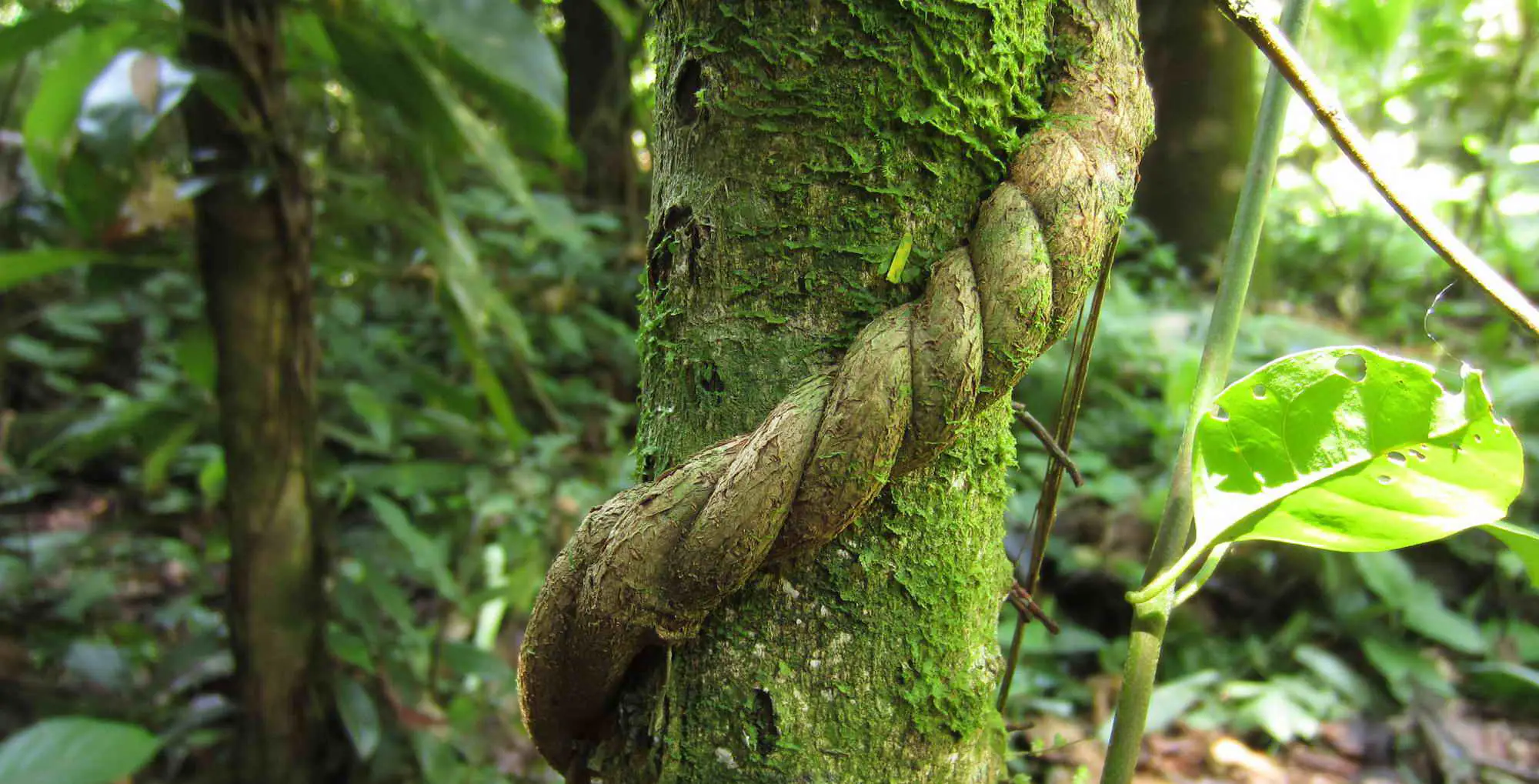
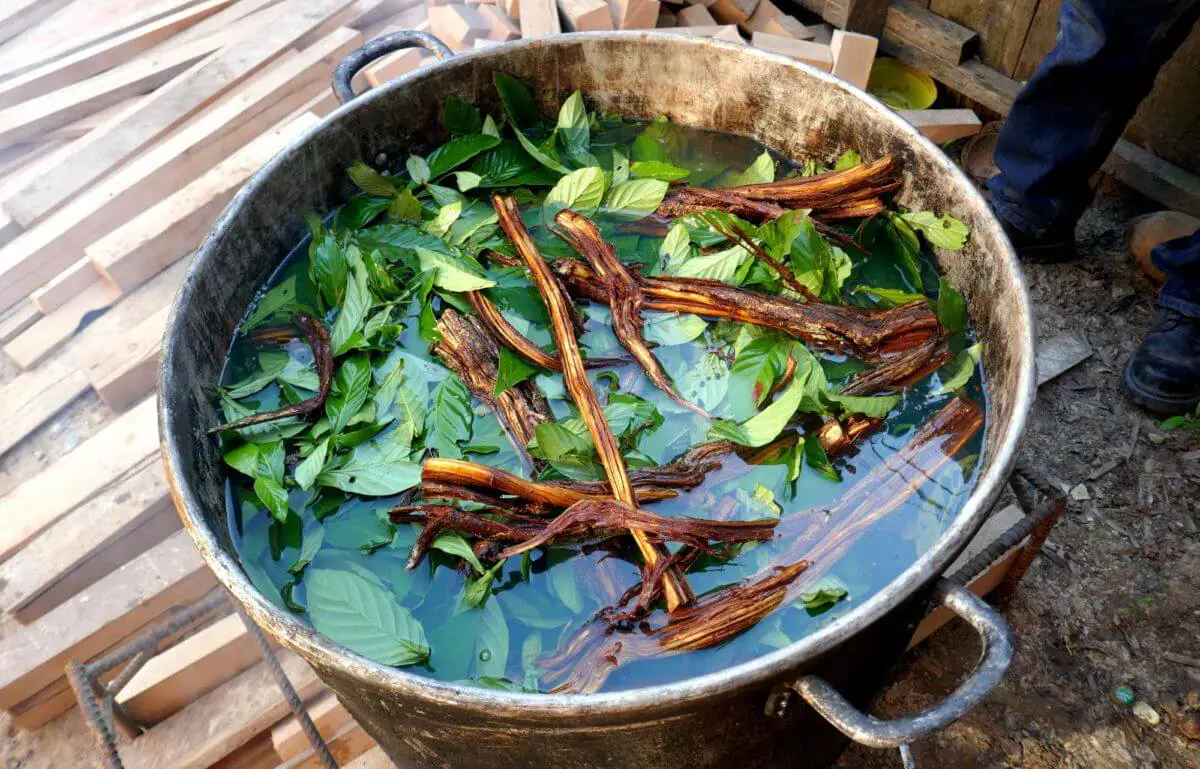
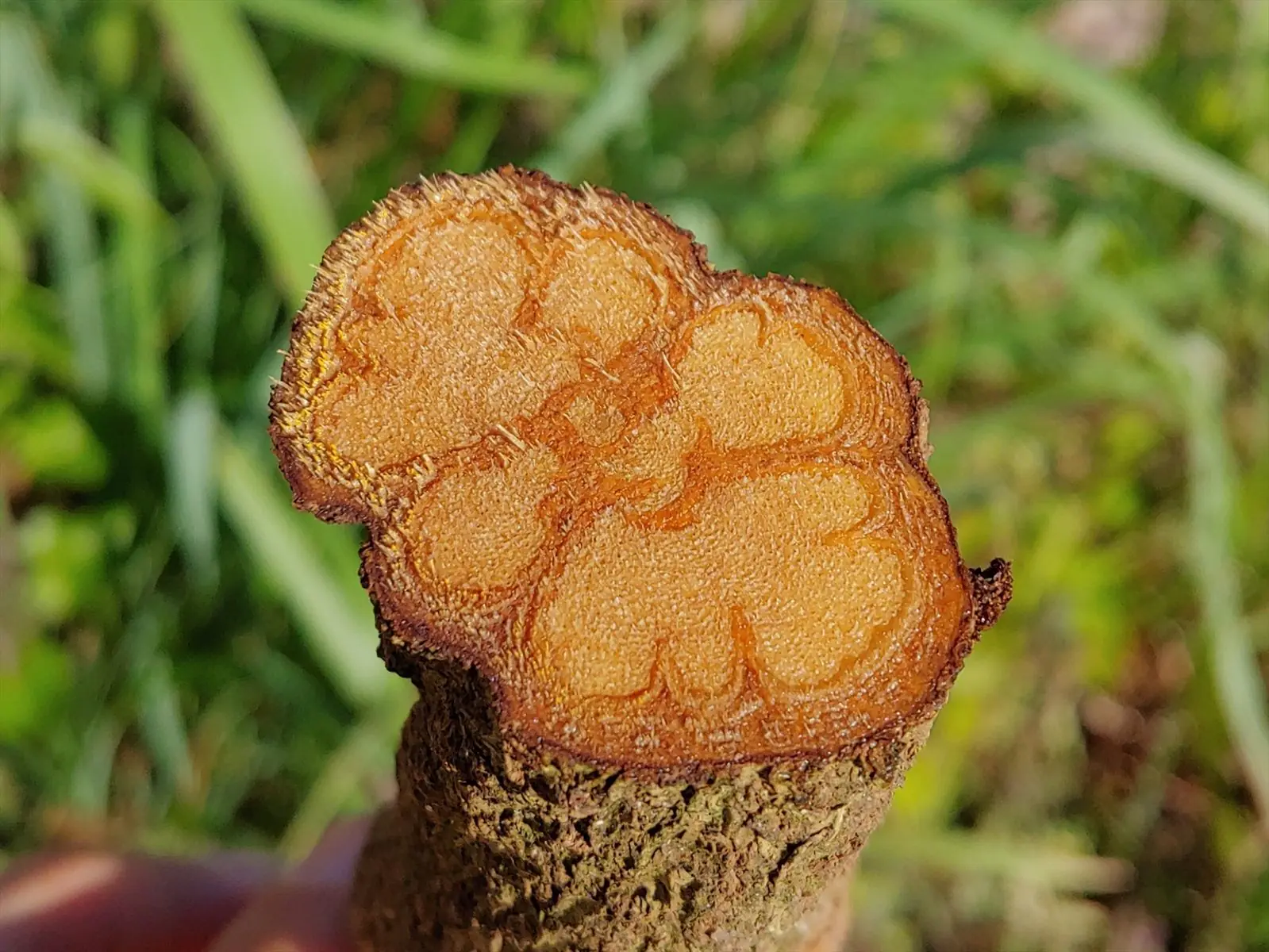
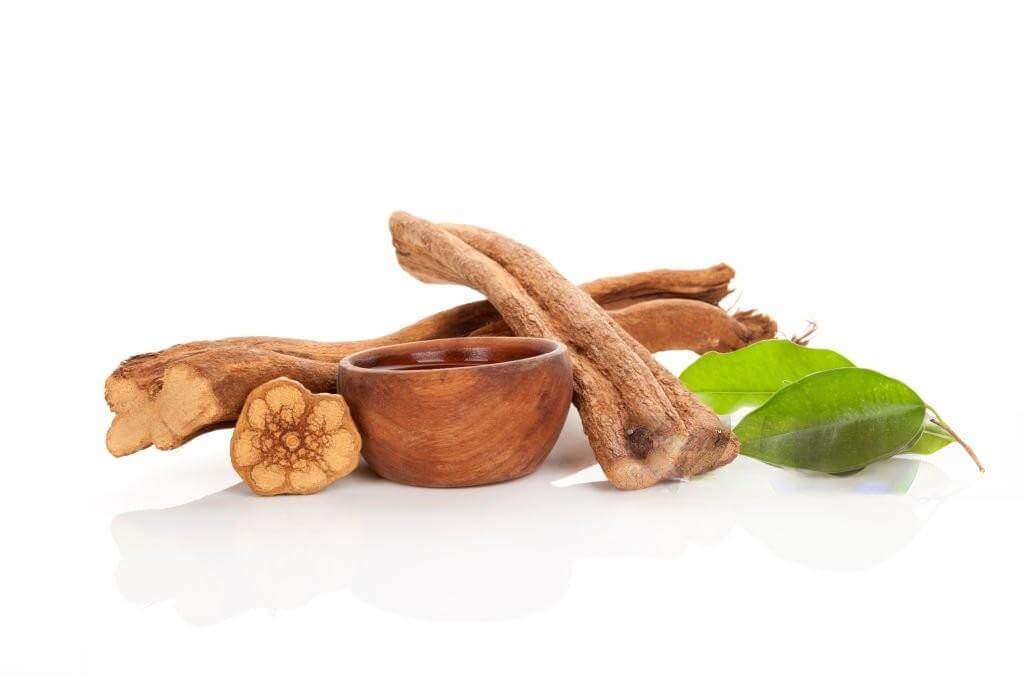
ayahuasca is a psychoactive herbal drink of Amazonian origin. The classic recipe combines the liana Banisteriopsis caapi, which contains beta-carboline alkaloids, and the leaves of Psychotria viridis or related plants with DMT. Such a combination can change perception, bodily sensations, emotional sensitivity and memory. But the traditional meaning of ayahuasca is not reduced to chemistry: preparation, diet, intention, guide, songs, boundaries of space and further integration remain important.
origin and traditions
ayahuasca originates from the cultures of the Amazon, where herbal drinks, diets, songs, silence and ceremonial order are part of a wider system of working with the body, psyche, community and nature.
Respect for tradition means not copying external symbols, but maintaining attentiveness, boundaries, responsibility and understanding that the experience is not reduced to the drink itself.
The ingredients matter, but the traditional context also involves preparation, support and the boundaries of the ceremony.
what the experience might feel like
People describe ayahuasca in different ways: as an emotional process, bodily cleansing, facing fear, clarity, memories, visual images, silence, or complex inner work. Sometimes the experience can be gentle, sometimes intense and difficult.
why do people participate in ceremonies
Participating in a ceremony is often associated with a desire to stop, look at repetitive scenarios, experience emotional material, or see a life situation from a greater distance.
See your request without haste, noise and usual explanations.
Feel fatigue, tension, limits and the need for a more attentive rhythm.
Give place to something that has been postponed for a long time or has little space.
Integrate the experience into everyday life through decisions, boundaries and simple actions after the retreat.
A responsible retreat setting does not promise to resolve your concerns overnight. It supports you through the experience without putting undue pressure on the outcome.
possible risks
The most important risks are related to a person's health, psychiatric history, medications, psychoactive substances, cardiovascular conditions, and expectations.
Due to the MAOI mechanism, ayahuasca components can interact dangerously with antidepressants, stimulants, MDMA, dextromethorphan, some pain relievers, migraine medications, and other substances.
Psychosis, manic episodes, bipolar disorder, a family history of such conditions, or an acute crisis require special caution and may be a contraindication.
Cardiovascular conditions, uncontrolled blood pressure, pregnancy, epilepsy, and other diagnoses should be discussed prior to any decision to participate.
common myths
Experience can open the material for further work, but does not guarantee the result and does not replace treatment.
Intensity does not equal benefit. Clarity, stability, and the ability to integrate experience are often more valuable.
Preparation reduces risks, adjusts the body and mind, and helps to honestly assess the appropriateness of participation.
Without a responsible context, boundaries and accompaniment, the external form does not have sufficient meaning.
Visual images are possible but not required. The experience can be bodily, emotional, silent, or almost imageless.
It is not described as a substance with a typical compulsive drive, but that does not make it safe for everyone to participate.
frequently asked questions
ayahuasca is a psychoactive drink that alters perception and state of consciousness. That is why it cannot be treated as an ordinary wellness experience.
List all medication you take regularly in the questionnaire. Do not change or stop medication on your own; discuss any changes with your doctor.
No. The experience can be visual, emotional, bodily, or very silent. The absence of vivid images does not mean that the process was "wrong".
Yes, but it is important to be ready for preparation, an honest questionnaire, space rules and the fact that the experience may not be easy.
We make no such promises. If there is a diagnosis, symptoms or addiction, it is important to consider participation only in the wider context of professional support.
Start with the questionnaire and the safety page. We can then discuss your reasons for attending, health, experience, medication and whether participation is appropriate.
where to go next
Learn about the retreat programme or read about preparation.
contact and application
Complete a short application so we can understand your needs, answer your questions and share details of upcoming retreats.
Any questions?
Message us on Telegram